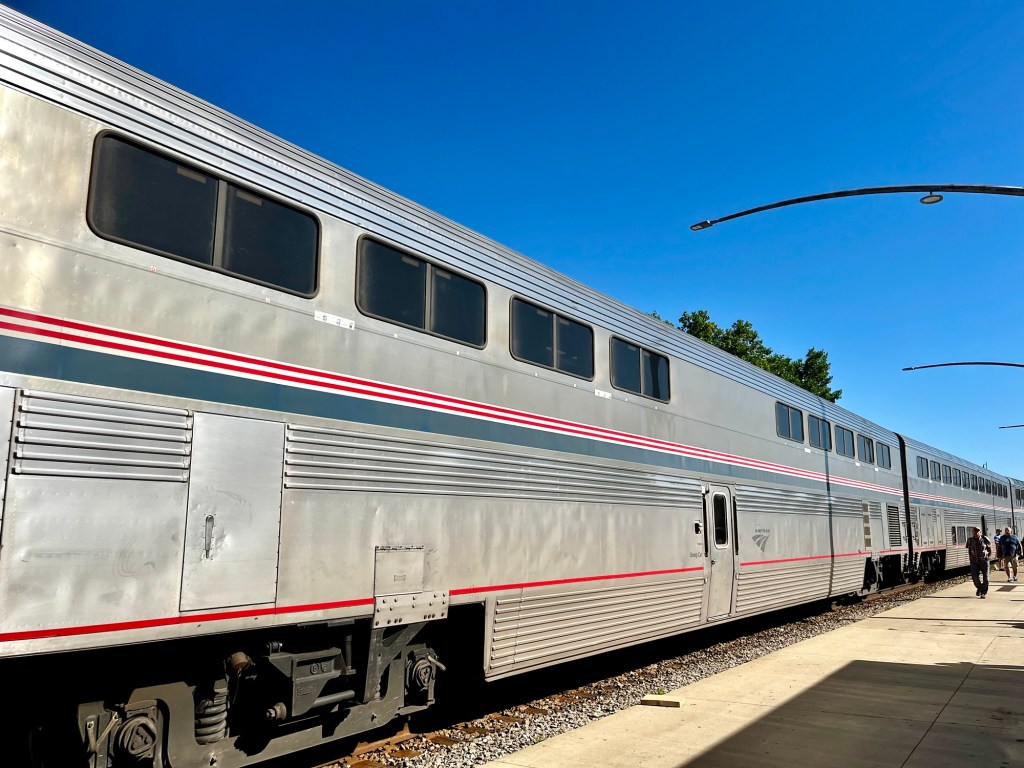
A well-planned train trip can be one of the most relaxing and scenic ways to explore the United States. Whether you’re dreaming of a long-distance Amtrak route, a scenic coastal ride, or a quick regional trip on Amtrak or another rail service, a little planning goes a long way. This guide explains the key steps in planning a train trip so you can create a smooth, memorable experience that fits your interests and budget.
Step 1: Choose your route
Amtrak operates over 30 train routes across the United States, including overnight and daytime-only routes. Additionally, other rail operators offer additional regional travel options, including in Florida, Maryland, Pennsylvania, New Jersey, New York, and California.
To narrow down your options, you can choose routes based on the following criteria:
- Scenic routes
- Routes by state
- Routes with easy city-to-city travel
- Routes by region (New England, East Coast, Midwest, South, West Coast)
- Routes that go to interesting destinations (national parks, walkable cities, small towns, historic sites)
Step 2: Decide when to travel
Next, decide when to travel. Some routes are best in the summer, fall or even winter (especially if you want to go on a ski trip or escape cold weather). Keep in mind that summer offers the most daylight for viewing scenery, but can also be a crowded and more expensive time to ride.
You’ll also want to consider the best time to visit places on the route (if you’re interested in getting off the train to explore). For inspiration, check out the best Amtrak route to ride in each month.
Step 3: Decide on ticket type
There are different types of train tickets based on the route you select:
- Coach seats (typically unassigned)
- Business class
- Acela first class
- Private rooms (roomette, bedroom, family bedroom, accessible bedroom)
Private rooms on Amtrak are much more expensive than coach seats, but meals, coffee and water are included in the price. Plus, you’ll get access to private lounges at major stations around the U.S. (which often have free snacks and beverages).
Overall, we love roomettes for long-distance solo travel, bedrooms when traveling overnight with others, and coach seats for shorter trips.
Step 4: Plan your stops and must-see attractions
After you’ve chosen a train route, decide where you’ll start and end your trip by viewing the list of stations on the route (view route guides to learn more). It’s your choice on how to connect with your train. You can explore Amtrak options (including bus and train) on the Amtrak app and website. Or you can book a flight, use rideshare or taxi, or catch a ride on a regional bus.
You’ll also need to decide if you want to visit any destinations along the way, which requires multiple one-way tickets. View the best stops along Amtrak’s scenic routes to get ideas. Popular destinations include:
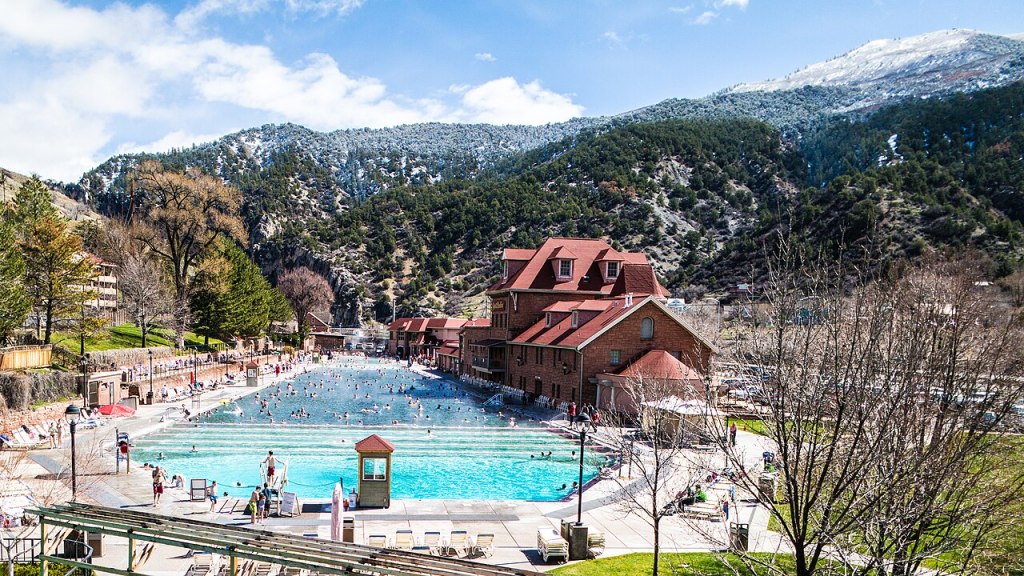
- Glenwood Springs (California Zephyr, mountain town with hot springs)
- Reno (California Zephyr, casinos and shows)
- Whitefish (Empire Builder, charming mountain town near Glacier Park)
- Flagstaff (Southwest Chief, closest stop to the Grand Canyon)
- Paso Robles (Coast Starlight, near many wineries)
- Santa Barbara (Coast Starlight and Pacific Surfliner)
- San Antonio (River Walk and historic missions)
Step 5: Book your trip
You can book train tickets on the Amtrak website, on the Amtrak app, via phone call or at some train stations (not all are staffed). Other train service providers (like Brightline) also have app and website booking options.
Ticket prices tend to increase the closer you get to your travel date, so book as soon as possible. It’s especially helpful to book months in advance if you’re planning to ride one of the popular long-distance routes such as the California Zephyr.
It’s also best to book Amtrak tickets directly through Amtrak, which makes changes and cancellations easier. Amtrak allows for free cancellation within 24 hours. Some routes also have flex fares that offer free cancellation before departure. Learn more.
If you’re traveling a long distance or purchasing a private room, we highly recommend travel insurance or paying with a credit card that has travel insurance in case something unexpected comes up.

 US Train Travel Guide